

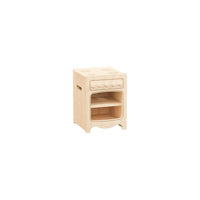


Walk into almost any high-quality early learning centre and you'll notice the same thing: wooden toys everywhere. That's not just aesthetics. For commercial childcare settings, wooden educational toys consistently outperform plastic alternatives on durability, play value and safety. Here's why — and what to look for when buying for a centre.
The benefits of wooden educational toys
1. They survive commercial use
A childcare toy might be handled by twenty children a day, five days a week. Solid wooden puzzles, blocks and stacking toys handle years of that treatment; battery toys and thin plastic rarely do. Lower replacement rates mean lower cost per year.
2. They support open-ended play
Blocks, natural stacking toys and loose parts can be a tower today, a shop counter tomorrow and a road next week. Open-ended resources build creativity, language and problem-solving in a way single-purpose toys can't — and they hold children's interest for longer.
3. They're calmer and more sensory-rich
Wood has natural weight, warmth and texture that supports sensory development, without lights and sounds competing for attention. Many Montessori and Reggio-inspired programs use natural timber resources for exactly this reason.
4. Safety is easier to verify
Quality wooden toys use non-toxic, water-based paints and finishes, with smooth-sanded edges and no small brittle parts. When buying for a centre, always confirm the toys meet toy safety requirements and are free of toxic finishes — all Edu Fun toys are made from child-safe, non-toxic materials.
Buying checklist for centres
- Coverage across learning areas: literacy (letters and numbers), numeracy, fine motor, construction and role play.
- Age fit: chunky pieces for infants and toddlers; multi-step puzzles and word-building for 4–5s.
- Cultural relevance: resources that reflect your families — our Arabic learning toys support bilingual programs.
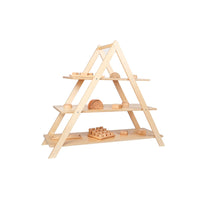
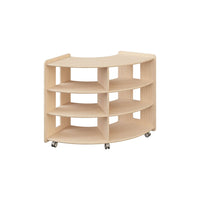
- Storage: trays and open shelving so children can access and return resources independently.
- Replacement parts economy: simple designs with no batteries or fragile mechanisms.
Frequently asked questions
Are wooden toys better for child development?
Wooden toys tend to be more open-ended, which research links to richer pretend play, language and problem-solving. Their durability also makes them practical for group settings.
What wooden toys should every childcare centre have?
A strong starting set: building blocks, stacking and grading toys, alphabet and number puzzles, a play kitchen for role play, and sorting or threading resources for fine motor development.
How do I keep wooden toys hygienic?
Wipe with a damp cloth and mild detergent, and dry promptly. Avoid soaking wooden toys or using harsh chemicals, which can damage finishes.