



Sensory play ideas for toddlers: simple, safe and everyday
Easy sensory play ideas for toddlers by age, using things you already have, plus the safety rules for under-3s, a simple play dough recipe and clean-up tips.
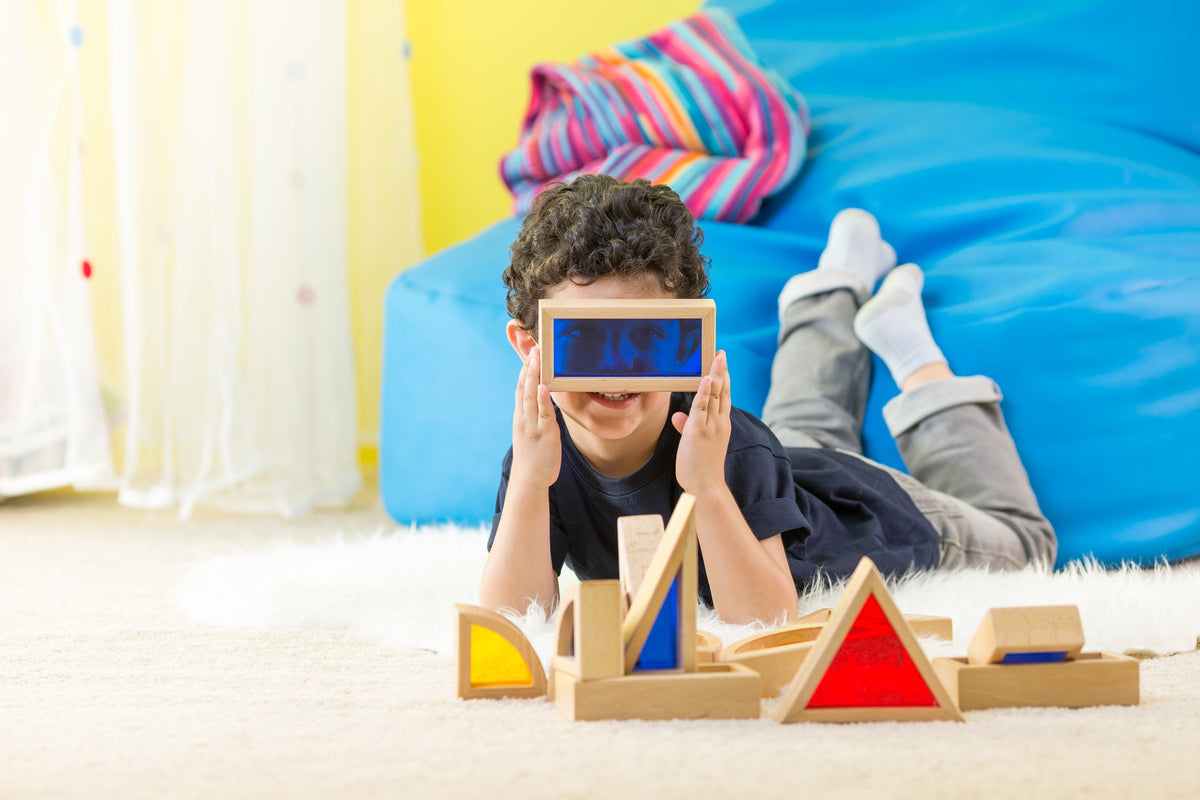
The short answer: Sensory play is any play that lets toddlers explore with touch, sight, sound, smell, taste and movement. Easy ideas include water play, play dough, an oat or pasta tub, painting with water, a nature basket and sound shakers. For under-3s, use taste-safe materials, avoid anything small enough to swallow, and stay within arm's reach during any water play.
Key Points
- Sensory play needs no special kit: the kitchen, bath and garden are full of it.
- Under-3s put things in their mouths, so choose taste-safe materials and nothing small enough to choke on.
- Never leave a toddler alone with water, even a shallow tray or bucket.
- Avoid water beads completely; they are dangerous if swallowed.
- A tray, an old sheet and doing it before bath time make clean-up easy.
- Let reluctant children watch or use tools first; never force messy play.
What is sensory play and why does it matter?
Sensory play is hands-on play that engages a child's senses: touch, sight, hearing, smell, taste, and also their sense of movement and body position. It matters because toddlers learn about the world mainly by touching, mouthing, moving and experimenting.
When a toddler squeezes play dough or pours water from one cup to another, they are:
- Building hand strength and control. Squeezing, scooping, pinching and pouring are the foundations of later skills like drawing and using a spoon. Our fine motor activities by age guide shows how these connect.
- Learning how materials behave. Wet sand holds a shape, dry sand doesn't. Ice melts. Water finds the gap in a cup.
- Growing language. Sticky, squishy, cold, rough, full, empty, pour, splash. Sensory play gives you rich words to share.
- Settling. Many children find slow, repetitive sensory play calming, especially water and dough.
- Experimenting. "What happens if...?" is the start of scientific thinking, and the heart of play-based learning.
The Early Years Learning Framework, Australia's national framework for early childhood, describes children as confident and involved learners who explore and investigate. Sensory play is one of the most natural ways toddlers do exactly that.
Is sensory play safe for toddlers?
Yes, with the right materials and close supervision. The three main risks for toddlers are choking, water and allergies, so choose taste-safe materials with no small pieces, stay within reach during water play, and check ingredients.
- Water. Young children can drown quickly and silently in very little water, including buckets, trays, paddling pools and baths. Stay within arm's reach and tip water out as soon as play ends. Raising Children Network has practical water safety advice for parents.
- Choking. Dried beans, dried chickpeas, small pasta shapes, beads, buttons, pebbles and small toys are choking hazards for under-3s. For toddlers who still mouth, use larger items or taste-safe bases like cooked pasta, oats or yoghurt.
- Water beads. Avoid them entirely. Product Safety Australia has warned that these small expanding beads are dangerous if swallowed.
- Allergies. Many sensory recipes use flour, oats, milk, eggs or nut products. Check for your child's allergies and those of any visiting children.
- Salt. Homemade play dough is very salty. It is fine to touch, not to eat in quantity, and should be kept away from dogs.
- Skin. Shaving foam, soap flakes and some paints can irritate sensitive skin or eyes. Use taste-safe alternatives for young toddlers.
What sensory play ideas suit each age?
Match the activity to what your child does with their hands and mouth right now. Young toddlers need big, taste-safe materials; older toddlers can handle tools, more steps and a little more mess.
| Age | What they are doing | Sensory play ideas | Watch for |
|---|---|---|---|
| 12 to 18 months | Mouthing, grabbing, splashing, dropping, filling and tipping | Shallow water tray with cups, cooked pasta, plain yoghurt "paint" on a high chair tray, a basket of fabric scraps, large pinecones to hold, frozen fruit in a mesh feeder | Everything goes in the mouth; keep it taste-safe and large |
| 18 months to 2 years | Scooping, pouring, squeezing, carrying, early pretend play | Oat tub with scoops and cups, play dough with fingers only, painting the fence with water, ice cubes in a tray, a mud patch in the garden | Still mouthing; small pieces off the menu |
| 2 to 3 years | Using simple tools, mixing, sorting, longer focus | Play dough with rollers and cutters, a rice tub (if no longer mouthing), washing toy dishes in soapy water, a nature basket, sound shakers | Rice and dry materials only once mouthing has stopped |
| 3 to 5 years | Planning, measuring, experimenting, telling stories | Mud kitchen, colour mixing with water and droppers, sand and water with funnels, a "small world" tray with figures and natural materials, cooking simple recipes together | Small parts are now allowed but keep them from younger siblings |
These ages overlap. A three-year-old who still mouths things should stay with the earlier, taste-safe ideas for a while longer.
Easy Sensory Play With Household Items
Most of the best sensory play uses everyday things: water, food staples, the garden and household jobs. Here are ten simple setups that work for toddlers.
- Water tray. A shallow tray with a little water, cups, a funnel, a sponge and a whisk. Add a few drops of food colouring or some ice cubes for variety.
- Oat tub. Rolled oats in a large plastic tub with scoops, measuring cups and spoons. Taste-safe and easy to sweep up.
- Play dough. A simple no-cook recipe: mix 2 cups plain flour, half a cup of salt, 1 tablespoon cream of tartar and 2 tablespoons oil, then an adult stirs in about 1 to 1.5 cups of boiling water and kneads once cool. Add food colouring or a drop of vanilla.
- Painting with water. A bucket of water and a big brush on the fence, the path or a wall. It "disappears" as it dries, so there is nothing to clean.
- Ice play. Freeze small toys or flowers in a container of water. Toddlers explore the cold, the melting and the rescue.
- Nature basket. Pinecones, large smooth stones, gum nuts, bark and a big shell. Talk about rough, smooth, heavy and light. Gum nuts and small stones are for children who no longer mouth.
- Sound shakers. Fill small clear bottles with rice, water or bells and glue the lids on firmly, then tape over them. Compare loud and quiet.
- Fabric basket. Scraps of velvet, silk, wool, corduroy, hessian and foil. Hide a toy in a scarf for peekaboo.
- Washing up. A tub of warm soapy water and some plastic dishes or toy cups at a child-height table. Toddlers love real jobs.
- Mud kitchen. Old pots, spoons and a patch of dirt with a bucket of water. Ideal for 2 years and up.
Everyday Sensory Play Without Set-Up
Everyday routines are sensory play if you slow down and let your toddler join in. Some of the richest experiences cost nothing.
- Bath time. Cups, sponges, a colander and a funnel turn every bath into water play.
- Cooking. Washing vegetables, tearing lettuce, stirring batter, smelling herbs.
- Shopping. Holding a cold bag of peas, a heavy pumpkin, a bumpy orange.
- Laundry. Sorting socks, feeling warm towels from the dryer, pegging (for older toddlers).
- Garden. Digging, watering, collecting leaves, walking barefoot on grass and sand.
- Walks. Puddles, crunchy leaves, wind, birdsong, the smell of rain.
Narrate as you go: "The towel is warm. The tap is cold." That simple talk is where sensory play builds language.
What if my toddler doesn't like messy play?
Many toddlers dislike sticky or wet hands at first, and that is normal. Go slowly, offer tools and dry materials first, let them watch, and never force their hands into anything.
- Start dry. Oats, fabric and large pinecones feel safer than wet paint or slime.
- Offer tools. Spoons, scoops, tongs and brushes let a child explore without touching.
- Put it in a bag. Seal some hair gel or paint in a zip-lock bag and tape it to the table, so they can squish without touching. Supervise, and check the seal.
- Have a towel handy. Knowing they can wipe their hands at any time helps.
- Join in. Seeing you enjoy the dough often does more than any invitation.
- Short and often. A few minutes, then stop while it is still fine.
If your child has very strong reactions to textures, sounds or movement that get in the way of everyday life, such as eating, dressing or bathing, talk to your child and family health nurse or GP.
How do you set up and clean up sensory play?
Contain the mess before you start: use a tray or tub, put a sheet or splash mat underneath, keep amounts small and, where possible, play outside or just before bath time.
- Choose the spot. Outside on the grass or deck is easiest. Indoors, a child-height table or the floor on an old sheet works well.
- Contain it. A deep tray or a large shallow tub keeps most materials in. A wooden or plastic tray under play dough saves the table.
- Dress for it. An old t-shirt, a smock or just a nappy in summer.
- Start small. A cup of oats, not the whole bag. You can always add more.
- Set out tools. Two or three tools are plenty. Too many and the focus is lost.
- Clean up together. Give your toddler a dustpan, a cloth or a sponge. Clean-up is sensory play too.
- Store for next time. Oats, rice and dough keep for a while in lidded containers. Throw out anything that has been mouthed, gets damp or smells off.
A set of good trays makes this much easier and also helps children carry an activity to the table and back to the shelf. Simple wooden tools from our infants and toddlers range, such as cups and scoops, double as sensory play kit.
How often should toddlers do sensory play?
There is no set amount. Most toddlers get plenty of sensory play from everyday life, so think of a planned activity as a bonus a few times a week rather than a daily task.
Follow your child's lead. If they ask for the water tray every afternoon, that is fine. If a setup gets ignored, put it away and try something else next week. Rotating a few favourite setups works the same way as rotating toys, which our guide to toy rotation explains.
Making Room for Sensory Play at Home
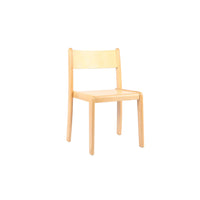
A small table at your child's height, a couple of trays and a lidded box of materials are all you need. If you would like age-matched toys and play ideas arriving regularly, Chapters sends a new box of wooden toys every 3 months with a printed play guide, plus a solid-wood table and chair at your child's height to keep, with the next size sent free as they grow.
Frequently Asked Questions
What is sensory play for toddlers?
Sensory play is hands-on play that engages a toddler's senses, such as touch, sight, sound, smell and taste, as well as movement. Examples include water play, play dough, scooping oats, painting with water and exploring a basket of natural objects. It builds hand strength, language and understanding of how materials behave, and many children find it calming.
What can I use for sensory play with a 1-year-old?
For a 1-year-old, use large, taste-safe materials, because they will mouth everything. Good options are a shallow water tray with cups (always supervised), cooked pasta, plain yoghurt as finger paint, rolled oats, fabric scraps and large pinecones. Avoid dried beans, small pasta, beads, small stones and water beads, which are choking hazards.
Is rice safe for sensory play?
Dry rice is best kept for children who no longer put things in their mouths, usually from around 2 to 3 years. For younger toddlers who still mouth, use rolled oats or cooked pasta instead. Always supervise, keep amounts small, and throw out rice that gets wet or has been mouthed rather than storing it for reuse.
Are water beads safe for toddlers?
No. Water beads should be avoided completely for young children. Product Safety Australia has warned that these small beads, which grow when they absorb water, are dangerous if swallowed. They are also easy to lose around the house where a baby or toddler might find them. Choose oats, water or play dough instead.
How do you make sensory play less messy?
Use a deep tray or shallow tub to hold the materials, put an old sheet or splash mat underneath, and offer small amounts at a time. Play outdoors when you can, or just before bath time. Give your toddler a sponge or dustpan so they help pack up, and store dry materials in lidded containers.
What if my child hates getting their hands messy?
That is common and usually passes. Start with dry materials like oats or fabric, offer spoons, scoops and brushes so they can explore without touching, and let them watch you play first. Try paint sealed in a zip-lock bag. Never force their hands into anything. If strong reactions affect daily life, talk to your child health nurse or GP.
What is a simple homemade play dough recipe?
Mix 2 cups plain flour, half a cup of salt, 1 tablespoon cream of tartar and 2 tablespoons oil. An adult then stirs in about 1 to 1.5 cups of boiling water, adding food colouring if you like, and kneads it once cool. Store it in an airtight container. It is very salty, so it is not for eating.
A table, a chair, and a new chapter of play.
Chapters: a solid-wood table and chair at their height, with the next size sent as they grow, and a new box of wooden toys for their age every 3 months.
